Restaurant Fruit Fly Control: How to Pass Health Inspections Every Time
Share
A single fruit fly sighting during a health inspection can cost your restaurant thousands of dollars in fines, trigger follow-up inspections, and damage your reputation in ways that take months to repair. For bars and restaurants, fruit flies aren't just a nuisance—they're a direct threat to your bottom line.
If you're relying on reactive pest control or hoping the problem goes away on its own, you're playing a dangerous game. Let's talk about the real cost of fruit flies in commercial kitchens and bars, where they actually breed in your operation, and how to implement a prevention strategy that keeps you compliant every single time.
The Real Cost of Fruit Flies in Your Restaurant
Most restaurant owners underestimate the financial impact of fruit fly infestations until they're facing the consequences.
Health Code Violations
Depending on your jurisdiction, fruit fly violations can result in fines ranging from $1,000 to $5,000 or more. In severe cases, you're looking at temporary closure until the issue is resolved, which means lost revenue for every day you're shut down.
According to FDA Food Code guidelines, the presence of insects in food preparation areas is a critical violation that health inspectors take seriously. It's not just about seeing flies—it's about what their presence indicates regarding your sanitation practices.
Failed Inspections and Follow-Up Costs
A failed health inspection doesn't just cost you the fine. You're also facing:
• Mandatory follow-up inspections (often at your expense)
• Potential downgrade in health rating (posted publicly)
• Emergency pest control services at premium rates
• Staff time spent addressing the violation
• Lost business during remediation
Reputation Damage
In the age of online reviews and social media, a health code violation becomes public knowledge fast. Customers who see fruit flies in your dining area or bar will post about it. A single viral video or review mentioning flies can cost you thousands in lost revenue as potential customers choose competitors instead.
Lost Revenue
Beyond fines and reputation damage, there's the direct revenue impact. If you're forced to close for even 2-3 days to address an infestation, you're looking at tens of thousands in lost sales, plus the cost of spoiled inventory and staff wages during closure.
For most restaurants operating on thin margins, a serious fruit fly violation can be financially devastating.
Where Fruit Flies Actually Breed in Restaurants and Bars
Here's what most restaurant managers don't realize: the fruit flies you see flying around aren't the problem. The breeding sites you can't see are the problem.
Fruit flies can lay up to 500 eggs in their short lifetime, and those eggs hatch in 24-30 hours. If you're only addressing the visible adults, you're not solving anything—you're just managing symptoms while the next generation develops out of sight.
According to EPA integrated pest management research, identifying and eliminating breeding sites is the most effective approach to controlling fruit fly populations in commercial settings.
Floor Drains
This is the #1 breeding ground in commercial kitchens. The organic buildup in floor drains—food particles, grease, sugars—creates the perfect environment for fruit fly larvae. Every kitchen has multiple floor drains, and if you're not treating them regularly, they're producing hundreds of flies.
Bar Areas
Bars are fruit fly paradise. The combination of sugary liquids, fermentation, and hard-to-clean equipment creates multiple breeding sites:
Bar mats - Soaked with spilled beer, liquor, and mixers
Soda guns and beer taps - Sugary residue accumulates in nozzles and drip trays
Draft beer lines - Yeast and sugar buildup in lines and connections
Ice bins - Melting ice carries sugary residue to drains
Speed rails and bottle wells - Sticky residue from bottles and spills
Produce Storage and Prep Areas
Even properly stored produce can attract fruit flies. Overripe items, damaged produce, and organic matter in prep sinks all create breeding opportunities. Walk-in coolers that aren't cold enough or have poor door seals become breeding grounds.
Dish Pit and Cleaning Areas
The dish pit is a constant source of organic matter, moisture, and warmth. Drains, spray nozzles, and areas under equipment where water and food particles accumulate all support fruit fly breeding.
Trash and Recycling Areas
Obvious, but often overlooked. Trash cans that aren't emptied frequently enough, recycling bins with residue from bottles and cans, and dumpster areas all contribute to infestations.
Hidden Areas
Don't forget:
• Behind and under equipment where spills accumulate
• Mop buckets and floor cleaning equipment
• Beverage dispensers and fountain machines
• Coffee stations and espresso machines
• Any area with standing water or organic residue
Your End-of-Night Prevention Checklist
Passing health inspections consistently requires daily discipline. Here's your closing checklist to prevent fruit fly breeding:
Kitchen
☐ Treat all floor drains with enzymatic cleaner or prevention solution
☐ Clean and sanitize all prep surfaces
☐ Empty and clean all trash cans
☐ Check produce storage for overripe or damaged items
☐ Clean under and behind equipment
☐ Ensure walk-in coolers are at proper temperature
☐ Clean dish pit drains and spray nozzles
Bar
☐ Remove and clean all bar mats
☐ Clean soda guns, beer taps, and drip trays
☐ Empty and clean ice bins
☐ Wipe down speed rails and bottle wells
☐ Treat bar drains
☐ Clean fountain machine nozzles
☐ Empty and rinse all recycling bins
General
☐ Take all trash to dumpster (don't leave bags inside overnight)
☐ Clean mop buckets and floor cleaning equipment
☐ Check for standing water in any area
☐ Ensure all doors and windows seal properly
Why Traditional Pest Control Isn't Enough
Most restaurants have a pest control contract. A technician comes monthly, sprays some chemicals, checks traps, and leaves. And yet, fruit flies persist.
Here's why traditional pest control fails for fruit flies:
Sprays Don't Address Breeding Sites
Chemical sprays kill adult flies, but they do nothing about the eggs and larvae developing in your drains, bar mats, and equipment. You're treating symptoms, not causes.
Monthly Service Isn't Frequent Enough
Fruit flies reproduce in days, not weeks. A monthly treatment schedule means you have 29 days of uncontrolled breeding between visits.
Chemicals Aren't Food-Safe
Most commercial pest control chemicals can't be used directly in food prep areas, on bar equipment, or in drains that connect to your kitchen. This limits where technicians can actually treat, leaving breeding sites untouched.
It's Reactive, Not Proactive
Traditional pest control responds to problems after they appear. By the time you call for service, you already have an infestation—and potentially a health code violation.
The Proactive Prevention Approach
Restaurants that consistently pass health inspections don't wait for fruit flies to appear. They implement daily prevention protocols that eliminate breeding sites before infestations develop.
This means:
Daily drain treatment - Breaking down organic buildup where flies breed
Food-safe deterrents - Using plant-based solutions in prep areas and on equipment
Staff training - Making prevention part of closing procedures
Regular monitoring - Catching problems early before they become violations
The most effective commercial fruit fly prevention uses enzymatic and essential oil-based solutions that are safe for food contact surfaces while eliminating breeding sites. Research shows that essential oils like peppermint and lemon effectively deter fruit flies while being safe for use in commercial kitchens and bars.
Trusted by Major Brands
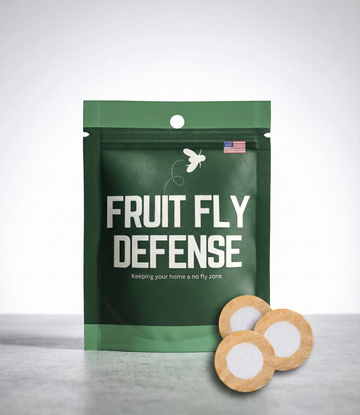
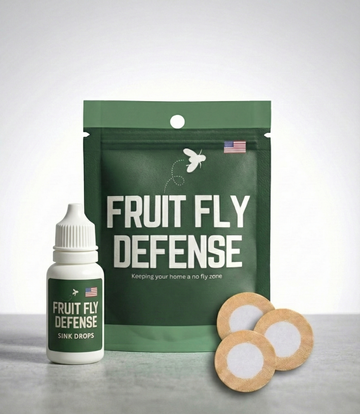
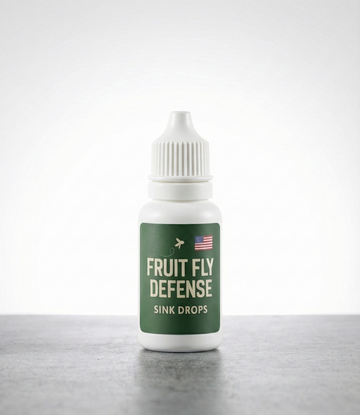
Fruit Fly Defense is trusted by major restaurant and entertainment brands including Chick-fil-A and Dave & Buster's because it addresses the specific challenges of commercial operations:
• Food-safe formulation approved for use in prep areas
• Effective on drains, bar equipment, and all breeding sites
• Plant-based essential oils that deter without harsh chemicals
• Daily-use solution that fits into closing procedures
• Proactive prevention, not reactive control
These brands understand that passing health inspections isn't about luck—it's about having systems in place that prevent violations before they happen.
Commercial and Bulk Pricing Available
For restaurants, bars, and commercial kitchens, we offer bulk pricing and commercial accounts that make daily prevention cost-effective.
When you calculate the cost of:
• A single health code violation ($1,000-$5,000+)
• Lost revenue from closure or reputation damage
• Emergency pest control services
• Follow-up inspections and remediation
...investing in daily prevention is the obvious choice.
Contact us about commercial pricing and bulk orders. We'll work with you to develop a prevention protocol that fits your operation and keeps you compliant.
The Bottom Line
Fruit flies in your restaurant or bar aren't just annoying—they're a business risk you can't afford to ignore. Health code violations, failed inspections, reputation damage, and lost revenue add up fast.
Traditional pest control isn't designed for the daily prevention that commercial kitchens and bars require. You need food-safe solutions that eliminate breeding sites, fit into your closing procedures, and keep you compliant every single day.
Don't wait for a health inspector to find the problem. Implement a proactive prevention strategy that protects your business, your reputation, and your bottom line.
Contact us today to discuss commercial pricing and develop a prevention protocol for your operation. Because passing health inspections shouldn't be stressful—it should be standard.