What Happens to Fruit Flies in Winter? Understanding Seasonal Pest Behavior
Share
As temperatures drop and winter approaches, many homeowners wonder: what happens to fruit flies in winter? Do they die off, hibernate, or continue thriving indoors? Understanding the seasonal behavior of these persistent pests can help you prevent winter infestations and maintain a pest-free home year-round.
Fruit Fly Biology and Temperature Sensitivity
Fruit flies (Drosophila melanogaster) are cold-blooded insects whose activity and reproduction are directly influenced by temperature. According to research from USDA Agricultural Research Service, fruit flies become inactive at temperatures below 50°F (10°C) and cannot survive prolonged exposure to freezing temperatures.
The University of Kentucky Department of Entomology explains that fruit flies have an optimal temperature range of 77-86°F (25-30°C). Outside this range, their metabolism slows, reproduction decreases, and development takes significantly longer.
What Happens to Outdoor Fruit Fly Populations in Winter?
In outdoor environments, fruit fly populations experience dramatic declines during winter months:
Cold Climate Regions
In areas with harsh winters, outdoor fruit fly populations essentially die off. Adult flies cannot survive freezing temperatures, and eggs or larvae in exposed locations perish as well. However, the Smithsonian Institution notes that fruit flies can overwinter in protected microhabitats such as:
- Compost piles that generate heat through decomposition
- Protected areas near building foundations
- Underground spaces with organic matter
- Greenhouses and other climate-controlled structures
Mild Climate Regions
In warmer regions where temperatures rarely drop below 50°F, fruit fly populations may slow but continue year-round. Research from UC Agriculture and Natural Resources shows that in Mediterranean and subtropical climates, fruit flies remain active throughout winter, though at reduced levels.
Why Fruit Flies Thrive Indoors During Winter
The real answer to "what happens to fruit flies in winter" is that they move indoors. Your heated home provides the perfect winter refuge with:
- Stable temperatures: Most homes maintain 68-72°F year-round, ideal for fruit fly activity
- Abundant food sources: Fresh produce, garbage, and drains offer continuous breeding sites
- Protection from elements: No exposure to cold, wind, or precipitation
- Year-round reproduction: Indoor conditions allow continuous breeding cycles
According to the University of Minnesota Extension, indoor fruit fly infestations can actually worsen in winter because:
- Homes are sealed tighter, trapping flies inside
- Reduced ventilation concentrates food odors that attract flies
- Holiday cooking and entertaining create more potential breeding sites
- Imported produce may carry fruit fly eggs that hatch indoors
Winter Fruit Fly Prevention Strategies
1. Inspect Incoming Produce
Winter produce, especially tropical fruits imported from warmer regions, can harbor fruit fly eggs. The FDA recommends washing all produce immediately upon bringing it home and inspecting for signs of damage or overripeness.
2. Maintain Drain Hygiene
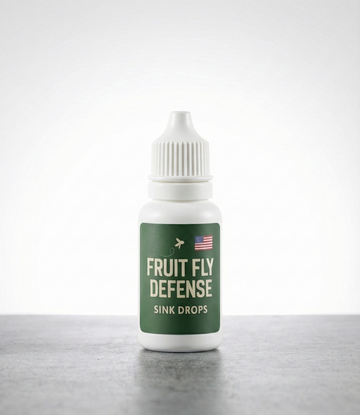
Winter heating can cause organic matter in drains to break down faster, creating ideal breeding conditions. Our Sink Drops provide targeted treatment for drains and garbage disposals, helping to eliminating larvae before they mature into adult flies.
3. Control Indoor Humidity
Winter heating often reduces indoor humidity, but kitchens and bathrooms can still harbor moisture. Use exhaust fans and ensure proper ventilation to reduce conditions favorable to fruit flies.
4. Deploy Preventive Traps
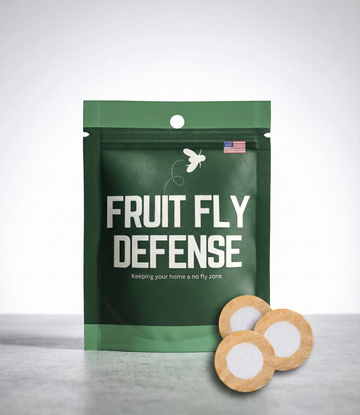
Don't wait for an infestation to start. Our Starter Pack provides proactive protection, capturing any fruit flies before they can establish breeding populations in your home.
The Holiday Season Connection
Many homeowners notice increased fruit fly activity during winter holidays. This isn't coincidental—holiday entertaining creates perfect conditions for fruit flies:
- More fresh produce and baked goods
- Increased alcohol consumption (wine and beer attract fruit flies)
- Busier schedules leading to delayed cleaning
- More garbage and compost generation
The Penn State Extension reports that fruit fly complaints spike during November and December for these exact reasons.
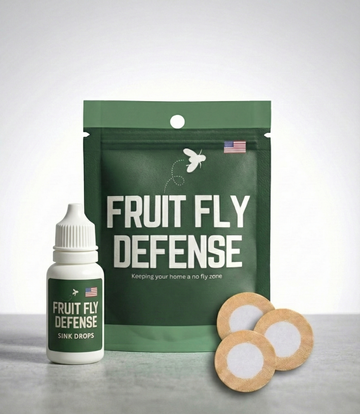
For comprehensive holiday protection, consider our Combo Pack, which combines surface deterrents with drain treatments to address multiple breeding sites simultaneously.
Climate Change and Fruit Fly Seasonality
Recent research from NOAA suggests that warming winters may extend outdoor fruit fly seasons in many regions. Milder winters mean:
- Longer outdoor survival periods
- Earlier spring emergence
- Potential for year-round outdoor populations in previously seasonal areas
- Increased pressure on indoor environments as outdoor populations grow
Commercial Considerations: Restaurants and Food Service
For commercial kitchens, understanding what happens to fruit flies in winter is critical for food safety compliance. Winter doesn't provide relief—in fact, the FDA Food Code requires year-round pest management protocols.
Commercial operations should maintain consistent prevention measures throughout winter, including professional-grade solutions like our Power Up Pack designed for larger spaces and higher pest pressure.
Conclusion: Winter Vigilance Pays Off
So, what happens to fruit flies in winter? While outdoor populations decline or disappear in cold climates, indoor populations can thrive year-round in the stable, warm environment of your home. Winter may even create conditions that favor fruit fly infestations, making prevention and control just as important as during summer months.
By understanding seasonal fruit fly behavior and maintaining consistent prevention strategies, you can enjoy a pest-free home throughout winter and beyond. Explore our complete line of plant-based, eco-friendly fruit fly solutions—all made in the USA and safe for use around food and family.
For more pest control tips, check out our guide on how to get rid of fruit flies for comprehensive elimination strategies.