Why DIY Fruit Fly Traps Make Your Infestation Worse (And What Actually Works)
Share
The Hidden Problem with Homemade Fruit Fly Traps
If you've searched for fruit fly solutions online, you've probably seen dozens of DIY trap recipes: apple cider vinegar in a jar, wine in a bowl, or rotting fruit in a container. These homemade traps promise a quick, cheap fix. But here's what most articles won't tell you: attractant-based traps often make your fruit fly problem worse, not better.
How Attractant Traps Actually Work (And Why That's a Problem)
DIY fruit fly traps work by luring flies with fermented scents—vinegar, wine, overripe fruit, or sugar solutions. The theory is simple: attract the flies, trap them, and eliminate your problem.
But there's a critical flaw in this approach.
According to research published in the Journal of Economic Entomology, fruit flies (Drosophila melanogaster) can detect fermentation volatiles from significant distances. When you place an attractant trap in your kitchen, you're essentially broadcasting a dinner invitation to every fruit fly in the area—including ones that weren't previously interested in your space.
The Three Ways Attractant Traps Backfire:
1. They Draw in More Flies Than They Catch
A study by the University of Minnesota Extension notes that fruit flies can reproduce at extraordinary rates—a single female can lay up to 500 eggs in her lifetime. When you use attractants, you're potentially drawing in breeding adults from neighboring areas, creating a larger population problem than you started with.
2. Incomplete Capture Means Accelerated Breeding
Even the best DIY traps don't catch 100% of attracted flies. According to the UC Davis Integrated Pest Management Program, fruit flies that are attracted but not captured will remain in the area and continue breeding. With a lifecycle of just 8-10 days from egg to adult, even a few escapees can quickly rebuild the population.
3. The Attractant Itself Becomes a Breeding Site
The CDC's Environmental Health Services identifies fermented materials as prime breeding grounds for fruit flies. If your DIY trap isn't changed frequently enough—or if flies lay eggs in the attractant before drowning—you've created a new breeding site right in your kitchen.
The Science-Backed Alternative: Deterrent-Based Prevention
Professional pest management experts increasingly recommend a different approach: deterrence over attraction.
Rather than luring flies into your space, deterrent-based solutions work by:
- Eliminating the chemical signals that attract fruit flies in the first place
- Creating an environment that's inhospitable to breeding
- Breaking the reproductive cycle without introducing new attractants
The EPA's Integrated Pest Management guidelines emphasize prevention and environmental modification as the most effective long-term pest control strategies—exactly what deterrent products deliver.
Why Fruit Fly Defense Takes a Different Approach
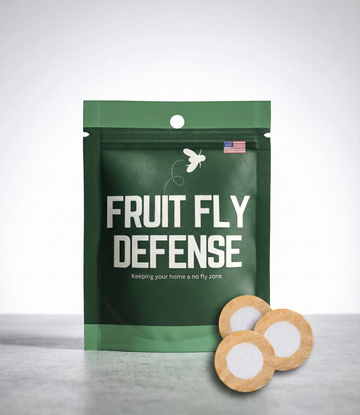
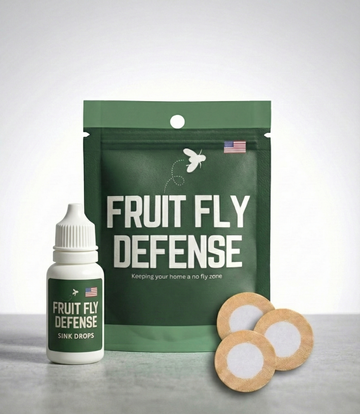
At Fruit Fly Defense, we don't make traps. We make deterrents.
Our plant-based formulas are designed to:
- Eliminate attractant signals rather than create new ones
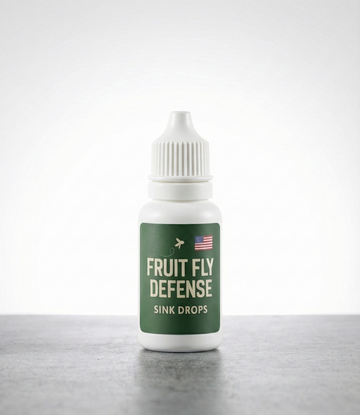
- Prevent breeding in drains, disposal areas, and other problem zones
- Create a protective barrier that keeps flies away from food prep areas
This approach aligns with research from the Journal of Insect Science, which shows that environmental modification and repellent strategies provide more sustainable control than attractant-based methods.
The Bottom Line: Stop Attracting, Start Deterring
If you're stuck in a cycle of setting traps, catching some flies, but never fully solving the problem—it's time to change your strategy.
DIY attractant traps might seem like a quick fix, but the science is clear: they often make infestations worse by drawing in more flies than they eliminate and creating new breeding opportunities.
A deterrent-based approach addresses the root cause: making your space unattractive and inhospitable to fruit flies in the first place.
Ready to break the cycle? Explore our Starter Pack and discover how plant-based deterrence can finally solve your fruit fly problem—without making it worse first.
All products are made in the USA with plant-based, non-toxic ingredients safe for use around food preparation areas.